
Student Jobs in Italy: What’s Out There and How to Land One
By NiSIT OfficialOfficial
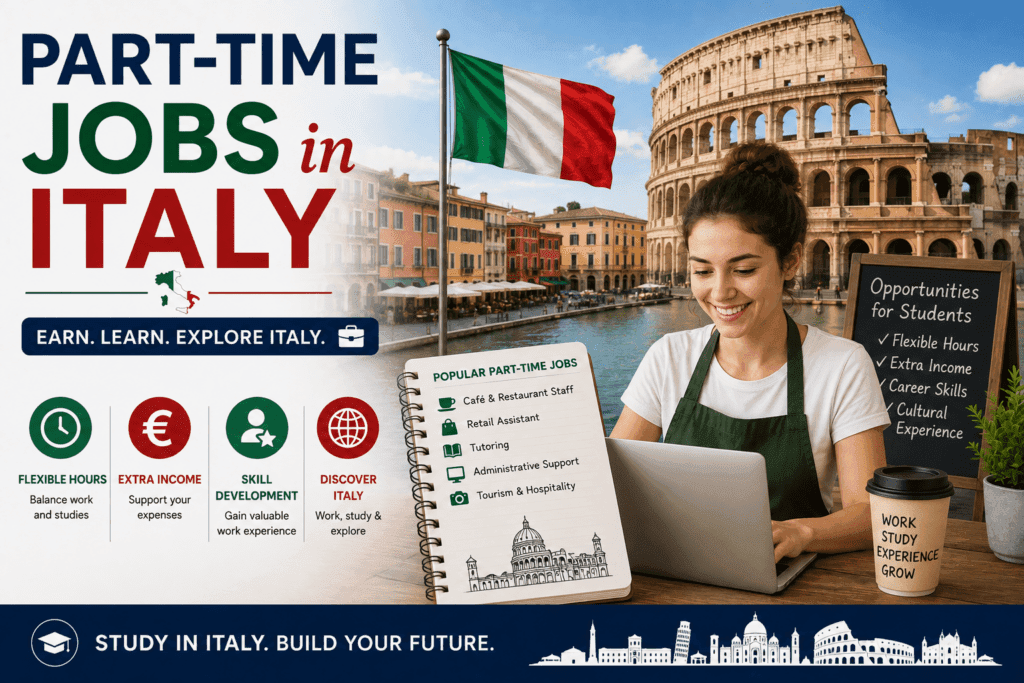
Moving to Italy as a student often means balancing your studies with your finances. The good news is that there are plenty of ways to earn money. Which ones are available depends on your city, so the best first step is to talk to someone who already lives there. A senior student from your university or your NiSIT regional coordinator can tell you what actually works locally.
Before you start
Know your work limits. With a student permit, non-EU students can generally work part-time, up to 20 hours a week. Confirm the current rules with your university’s international office or the Questura before taking a job.
Get your codice fiscale (tax code)/Residence Permit. Almost every employer will ask for it.
Ask for a proper contract. Avoid cash-in-hand work. It leaves you without protection, and it can cause problems when you deposit at the bank or you renew your permit.
Common student jobs
1. Remote and freelance work: If you have a tech skill, or are willing to learn one, platforms like Upwork, Fiverr and Outlier let you work from anywhere, around your class schedule. If you run a business back in Nigeria, you can keep managing it from here. You don’t have to close it down.
2. University part-time collaboration (the “150 hours”): Your university may offer jobs like "Erasmus buddy", "servizio civile universale", etc around 150-200 hours of work on campus, paid roughly €500-3000 for the period. You can look up your university website or visit the international student desk at your school to make enquiries regarding student jobs.
3. Delivery: Glovo, Uber Eats, Deliveroo and Just Eat hire riders, mostly on bicycles. Pay is roughly €6-10 per hour. It’s flexible, but can be dangerous when cycling, especially in bad weather.
4. Inventory work (inventario): Companies like RGIS and Barcode send teams to count stock in shops. It’s seasonal. In a normal month you may earn around €300-1000, depending on how many slots you get. Check their websites to register.
5. Warehouse and factory work (fabbrica): These jobs exist, especially around industrial areas. Pay varies a lot, so ask around before you apply.
6. Restaurants, hotels, cafés and bars: This is one of the most common first jobs for students. See the tips below.
7. Teaching and care work. English lessons, extra lessons (ripetizioni) for primary or high-school children, and nanny or babysitting jobs. If you speak Nigerian languages, you might also find niche teaching opportunities.
8. Paid internships (tirocini): You can find them in Italy or abroad, and some count towards your degree credits.
9. Erasmus traineeships/Internships: If your university participates, you can do a paid traineeship or study abroad through an Erasmus scholarship. Consult your colleagues or University website for details.
10. Paid volunteering: Some organisations offer small stipends for events, community projects or cultural activities.
How to actually get hired
Tailor your CV to the job, and write it in Italian. Most employers in restaurants, shops and cafés prefer a CV in Italian. Search with the Italian job titles, for example:
Restaurants: aiuto cuoco (kitchen assistant), cameriere/a (waiter), lavapiatti (dishwasher), commis di cucina, barista
Shops: commesso/a (sales assistant), addetto/a alle vendite, magazziniere (warehouse worker)
For each type of job, adjust your CV to highlight the relevant skills. For a waiter job, for example, mention customer service, languages and working under pressure. Keep it to one page and add a photo if that’s usual for the job.
Print it and walk in. For restaurants, hotels, bars and small shops, hand your CV in person during quiet hours, usually mid-afternoon. Smile, say a few words in Italian and ask for the manager. In Italy, many small businesses hire this way and never post an advert.
Use job platforms. Indeed, InfoJobs and Subito are good places to start. Recruitment agencies like Adecco, Randstad, Manpower and Gi Group are also worth registering with, and they often handle seasonal and warehouse work.
Use holidays to earn more. During summer or Christmas breaks, apply for seasonal work (lavoro stagionale) in another city. Tourist areas like the coast, lakes and islands hire lots of extra staff in hotels, restaurants and beach clubs, and some employers include accommodation. Apply early, usually from March for summer.
Use your network. Many jobs are filled through friends and word of mouth. Ask other students where they work, and tell people you are looking.
Keep learning Italian. Even basic Italian opens up many more jobs and gets you better pay. Make an effort to practise every day.
Be careful with offers. Never pay anyone to get you a job, and be wary of offers that sound too good to be true.
Where to look next
Visit our Resource Hub at www.nisitaly.com/resource-hub and filter by Jobs to find links to job portals.
Remember that not every job listed here is available in every city. Search online for student job opportunities in the city you’re moving to, or ask someone who is studying or living there now. And if you have a tip that worked for you, share it with our community, because that’s how we help each other.